
Pediatric Dentistry in Mansfield Center, With the Plan in Writing
We care for babies, kids and teens with unhurried exams and cleanings, sealants, fluoride, fillings and pediatric crowns. When treatment is needed, you get the plan and the factors behind its cost in writing before we begin. Families come to us from Mansfield, Easton and Norton.
- Plans explained before treatment
- Calm, kid-friendly visits
- Most insurance plans accepted
- Care from toddlers to teens
Families We Serve
Children come to our Mansfield Center practice from many of the towns around it, and the drive is usually short. We regularly welcome families from Mansfield, Easton, Norton, Norton Center and Foxborough, along with Attleboro, North Attleborough, Stoughton, Walpole and Sharon.
- Mansfield Center
- Mansfield
- Easton
- Norton
- Foxborough
- Norton Center
- Attleboro
- North Attleborough
- Stoughton
- Walpole
- Sharon
If fitting twice-yearly checkups around school and work feels like a stretch, a quick phone call lets us find appointment times that suit your family.
Dental Care for Every Stage of Childhood
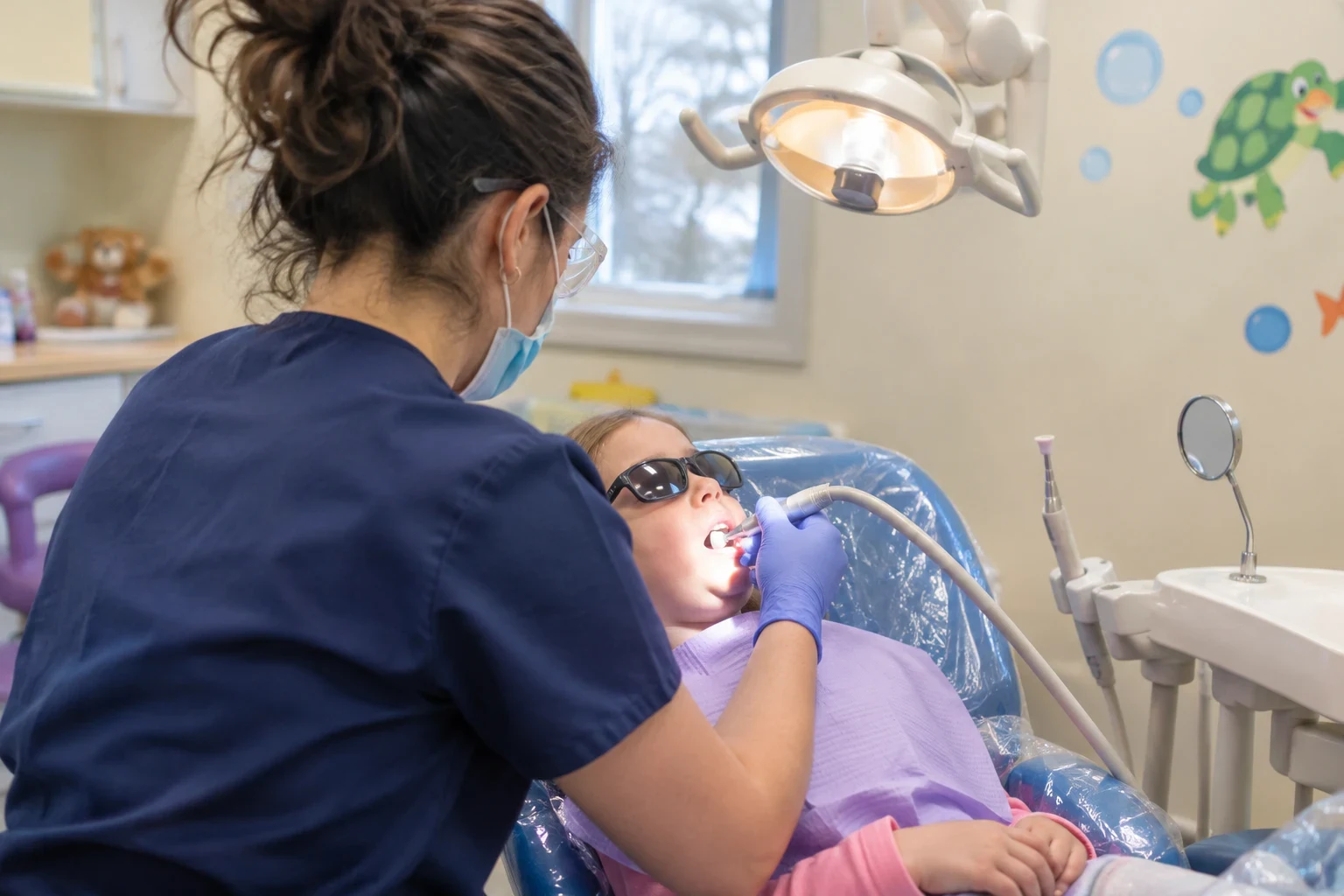
Most of what we do is prevention: exams and cleanings, sealants on new molars and fluoride treatment to strengthen enamel. When a tooth needs more, we offer fillings, pediatric crowns, root canals for baby and young permanent teeth, extractions and space maintainers to hold room for adult teeth. We also perform frenectomies for tongue-tie and lip-tie, and offer sedation dentistry for children who need extra help staying comfortable.
Exams & Cleanings
Regular checkups and cleanings that keep your child's teeth healthy, with any treatment explained in writing before it is scheduled.
Sedation Dentistry
Nitrous oxide or oral sedation for anxious kids and longer treatments, with careful monitoring and a written plan agreed before the visit.
Fillings
Small cavities treated early with tooth-colored material, careful numbing and a written plan you see before any work begins.
Root Canals
Pulpotomies and root canals that save infected baby and permanent teeth, explained in writing before any treatment begins.
Extractions
When a baby or permanent tooth can't be saved, we remove it gently and plan for the space it leaves, with the full scope written down first.
Frenectomies
A careful evaluation and gentle release of a tight tongue or lip tie, with aftercare coaching and a clear outline of scope and cost first.
Sealants
A thin, tooth-colored coating painted into the deep grooves of back teeth to keep food and bacteria out, applied without needles or drilling.
Space Maintainers
A small custom appliance that holds the gap after a baby tooth comes out early, so the permanent tooth has room to arrive where it belongs.
Pediatric Crowns
Preformed stainless steel or tooth-colored crowns that protect a badly decayed or weakened tooth until it is ready to come out naturally.
Fluoride Treatment
A thin fluoride varnish brushed onto your child's teeth in about a minute to help enamel resist early cavities between checkups.
From Registration to Regular Checkups
Each stage is explained before it happens, so neither you nor your child is left guessing.
- 1
Register by phone
Call us to register your child as a new patient. We will ask about your child's health, any past dental visits, your insurance and anything that makes appointments hard for them.
- 2
The first visit
We meet your child, count teeth, check gums and bite, and clean and polish if they are ready. For babies and toddlers, this is often a short lap exam with a parent close by.
- 3
Findings and your treatment plan
We sit down with you, explain what we saw and hand you a written copy of the plan if anything needs attention. You can take it with you, compare it with your benefits and phone us with questions.
- 4
Treatment on your schedule
Once you are ready, we book the work, keeping visits short for younger kids. Before we start, we confirm the plan with you.
- 5
Regular checkups
Most kids return about every six months for a cleaning and exam, so small problems are caught while they are still small.

Why Parents Choose Our Practice
A good visit for a child depends on small choices made carefully. These are the ones we make every day.
- You see the plan before treatment
- If your child needs treatment, we explain what we found, show you on the x-ray or photo, and give you a written plan that lists each step and what affects its cost. Nothing is added once the appointment starts. If we find something new, we stop and talk with you first.
- 11+ years in practice
- Our practice has more than eleven years of experience caring for young patients. That time has taught us how to read a nervous toddler, when to slow down and how to explain a procedure to a teenager without talking down to them.
- Visits paced for kids
- We show children the mirror, the air and the polisher before we use them. Short, predictable steps keep visits comfortable and help kids come back without dread.
- Straight answers on timing
- Some early soft spots on baby teeth can be strengthened with fluoride or protected with a sealant rather than filled. We say so plainly. We are just as clear when a tooth truly needs a filling or crown and should not be put off.
- Materials chosen with care
- We explain the options, such as tooth-colored fillings or durable stainless steel crowns for back baby teeth, and why one suits your child's tooth better than another.
What Shapes the Cost of Your Child's Care
Routine checkups are simple to plan for. Restorative work varies more, and we would rather you understand why before you agree to anything. Here is what moves the number.
After the exam, we give you a written estimate with each procedure listed separately, so you can review it, ask questions and decide on timing before any treatment is scheduled.
- How many teeth are involved
- One small cavity is a short visit. Several teeth across both sides of the mouth may mean more time in the chair or a second appointment.
- The treatment and material
- A sealant, a tooth-colored filling and a pediatric crown each take different materials and different amounts of time. We note which one we recommend and why.
- Whether sedation is needed
- Some children do best with nitrous oxide or deeper sedation for longer procedures. That adds to the visit, so it appears as its own line in the plan you review.
- X-rays and diagnostics
- Depending on age and history, your child may need new x-rays to see between teeth or below the gumline before we can plan treatment accurately.
- Your insurance plan
- Coverage for preventive and restorative care differs from plan to plan. We work with most insurance plans and can help you understand what your benefits are likely to cover.
A Practice Built Around Children
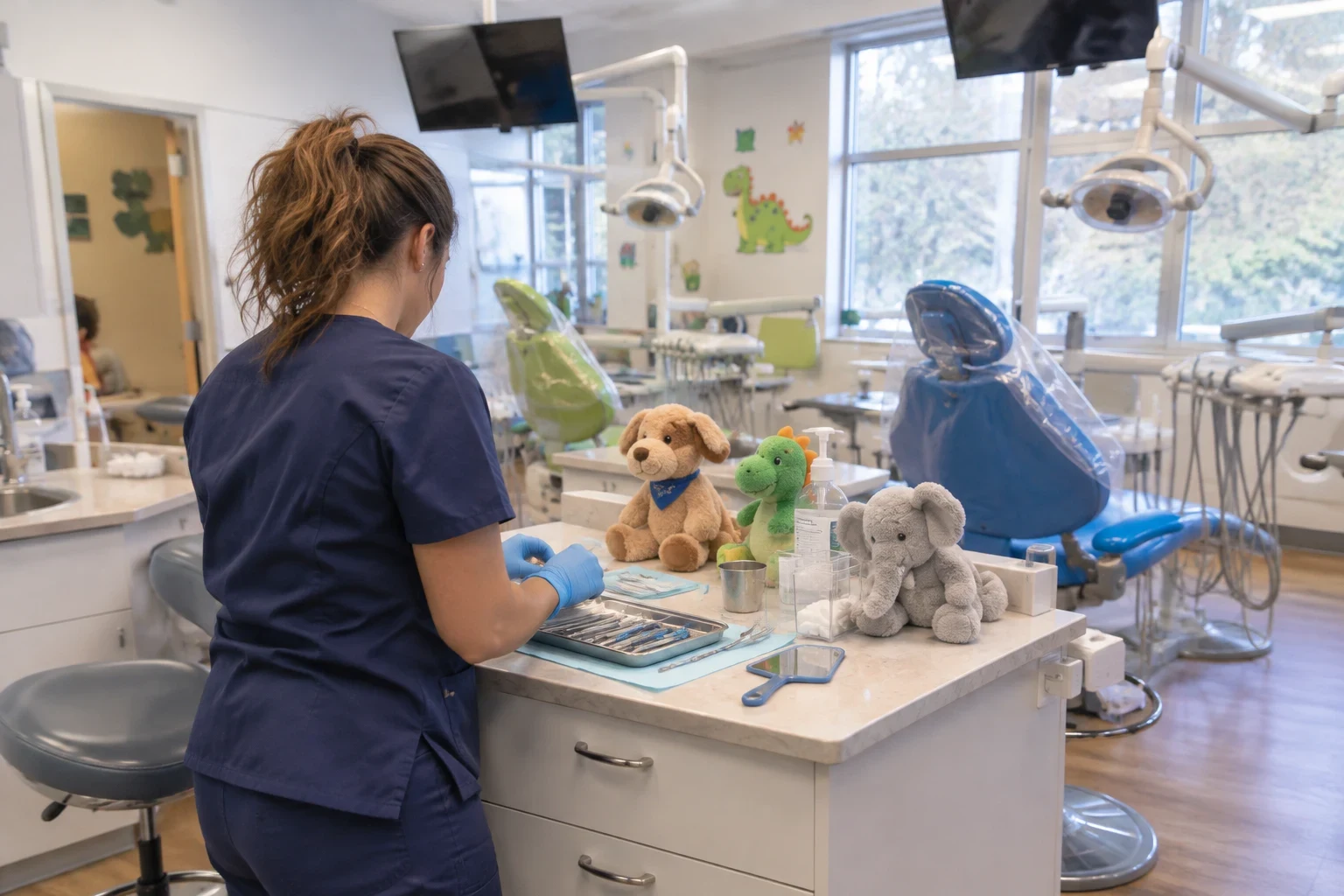
We are a pediatric dental practice in Mansfield Center, Massachusetts, and children are our only patients. Our rooms, our pace and the way we talk are all set up for kids, from a baby's first tooth to a teenager getting ready for college.
We believe parents deserve the same clarity we would want for our own families. That is why we spell out treatment plans, explain the reasons behind each recommendation and leave room for your questions. Many concerns can be talked through by phone or video before you ever come in, and payment can be made with MasterCard, Visa, Discover, most insurance plans or the CareCredit Patient Payment Plan.
- In business
- 11+ years in practice
Questions Parents Ask Us
- When should my child first see a dentist?
- Plan on a first visit by your child's first birthday, or within about six months after the first tooth shows up. These early appointments are brief and gentle. They let us see how teeth are coming in and share practical advice on brushing, bottles and snacks.
- What happens at the first visit?
- We introduce ourselves and the tools slowly, then look at your child's teeth, gums and bite. If your child is comfortable, we clean and polish too. You will leave knowing what we saw and what, if anything, to watch.
- Do you take insurance, and how can we pay?
- Yes. We accept MasterCard, Visa, Discover, most insurance plans and the CareCredit Patient Payment Plan. When you register by phone, share your insurance details and we can help you understand what your plan typically covers.
- How do your treatment plans and estimates work?
- After an exam, if your child needs care beyond a cleaning, we list each recommended procedure, the tooth involved and what affects its cost. You review it before anything is scheduled. If something changes during treatment, we pause and talk with you before going further.
- My child is very anxious. Can you help?
- Yes, and it is common. We take extra time, explain each step in kid-friendly words and let children hold or touch the tools first. For longer procedures or children who cannot stay still safely, we offer sedation dentistry and will explain the options in detail.
- Why fix a baby tooth that will fall out anyway?
- Baby teeth hold space for adult teeth, help with chewing and speech, and some stay until age 11 or 12. An untreated cavity can cause pain or infection and affect the tooth developing underneath. If a baby tooth is lost early, a space maintainer may keep the gap open.
- How often should my child have a cleaning?
- Most children do well with a cleaning and exam about every six months. Some kids with a history of cavities benefit from more frequent visits or added fluoride treatment, and we will tell you if that applies to your child.
Ready to Register Your Child?
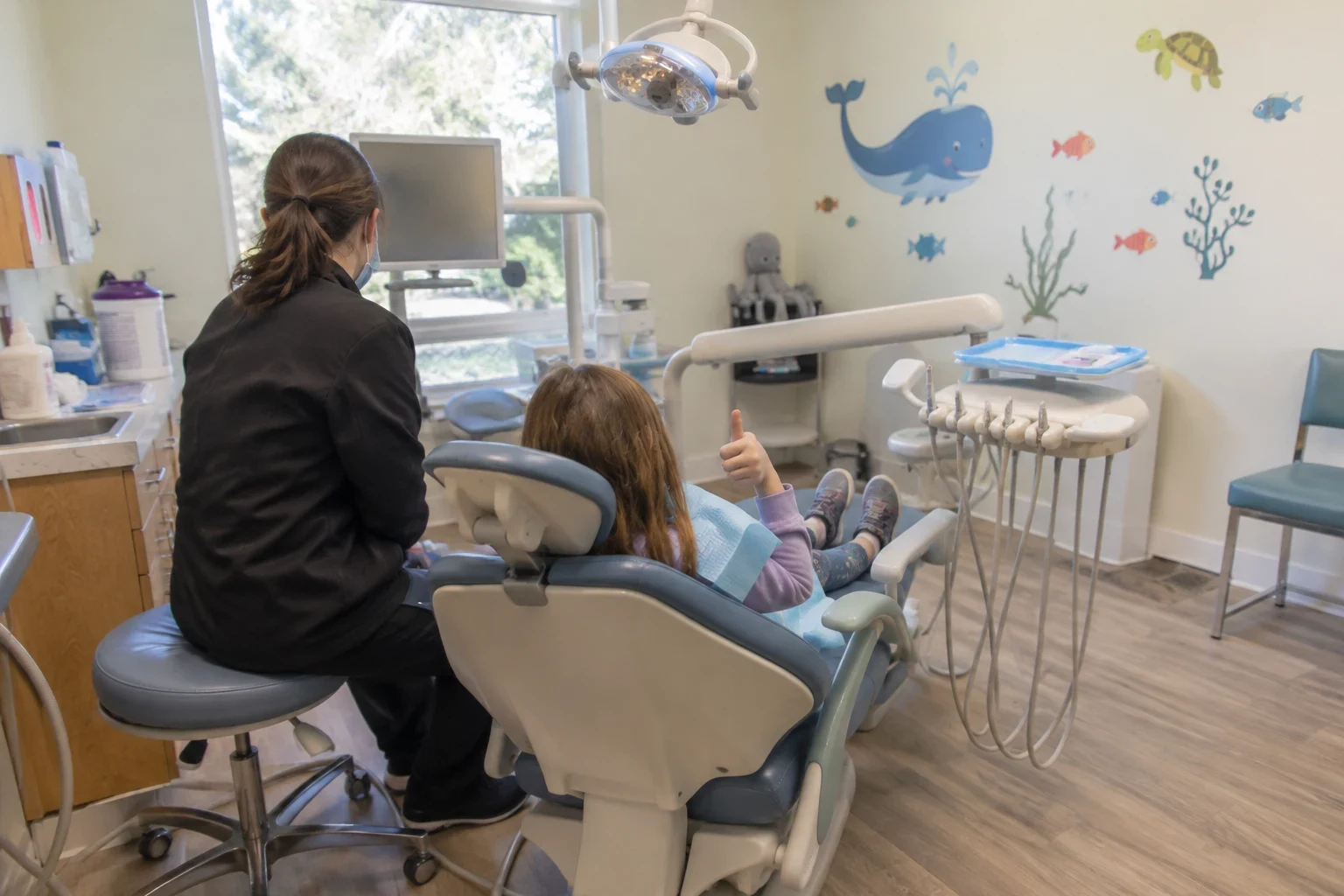
One phone call gets your child set up as a new patient and on the calendar for a first visit. Have your insurance information handy and we will take care of the rest.